The same athlete can be a strong fit for one partnership and a poor fit for another. A runner who leads a weekly group can help with a local trial. A cyclist who documents equipment performance during races can contribute to a technical test. Start by understanding the job the brand needs done.
What evidence helps a brand decide?
Sport context. Give your discipline, region and relevant events. When you mention a personal best, include the distance, event and date so the reader can interpret it.
Examples of your contribution. Show a piece of work similar to what you are offering. For product testing, that could be a clear comparison from training. For a community activation, show a run you helped organise and explain your role.
Audience fit. If your offer depends on online reach, provide the platform and reporting period. For a local activity, describe the people who attend and how you work with them. Use evidence that matches the proposed role.
Examples across endurance sports
- Triathlon: For an equipment trial, explain which training blocks and conditions would give you useful feedback.
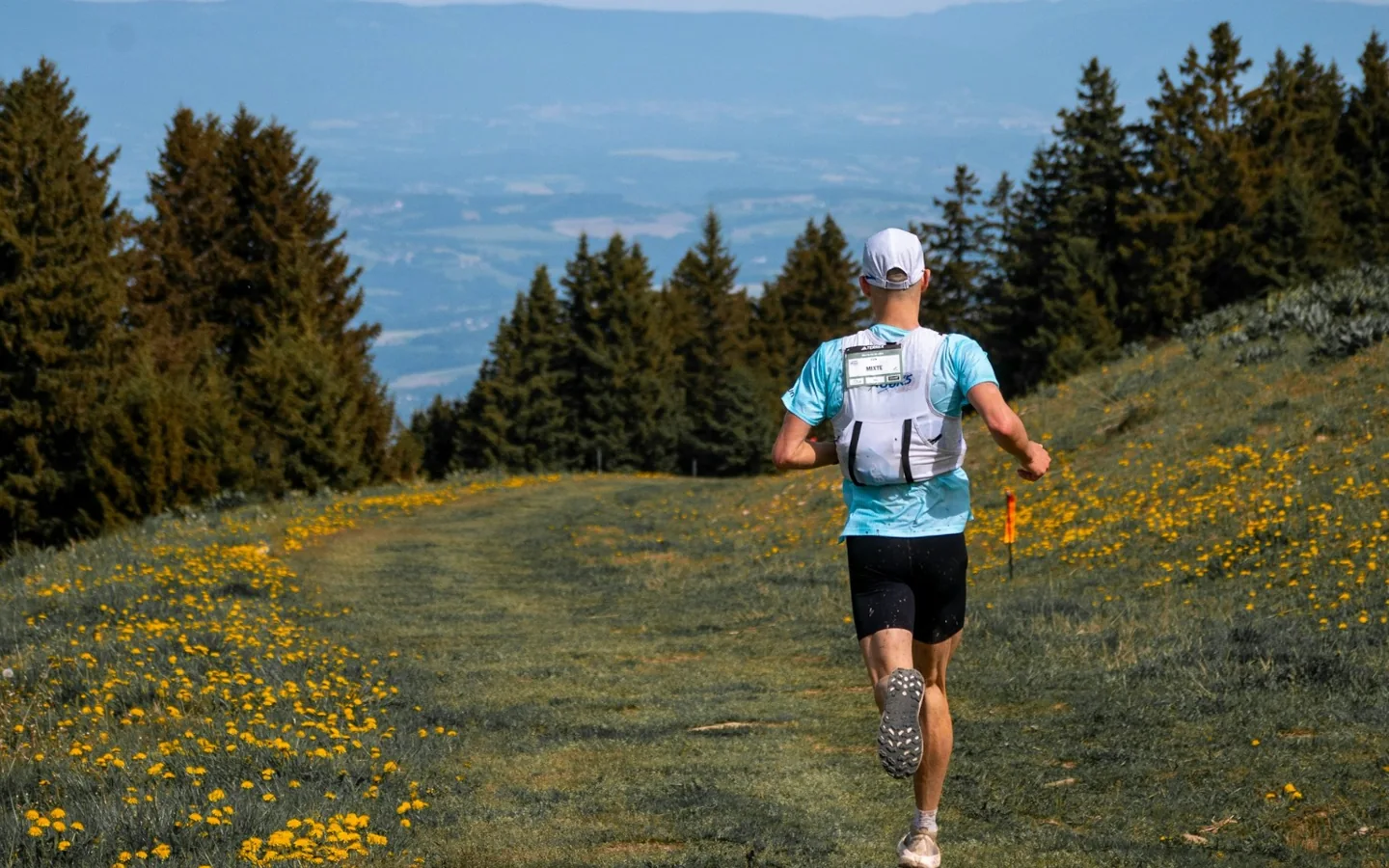
- Running: For a shoe trial with a club, describe the routes, ability groups and how you would collect feedback.
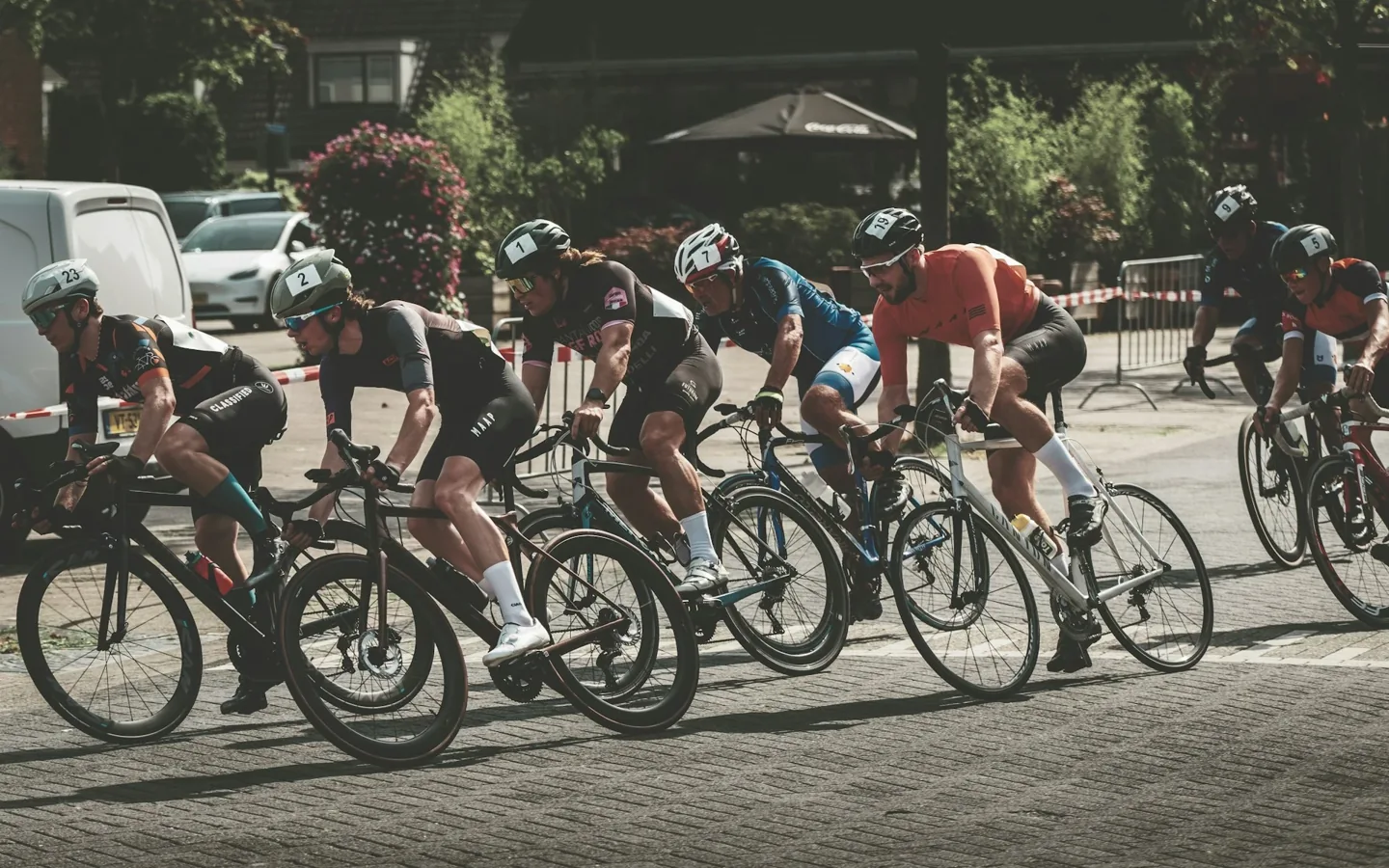
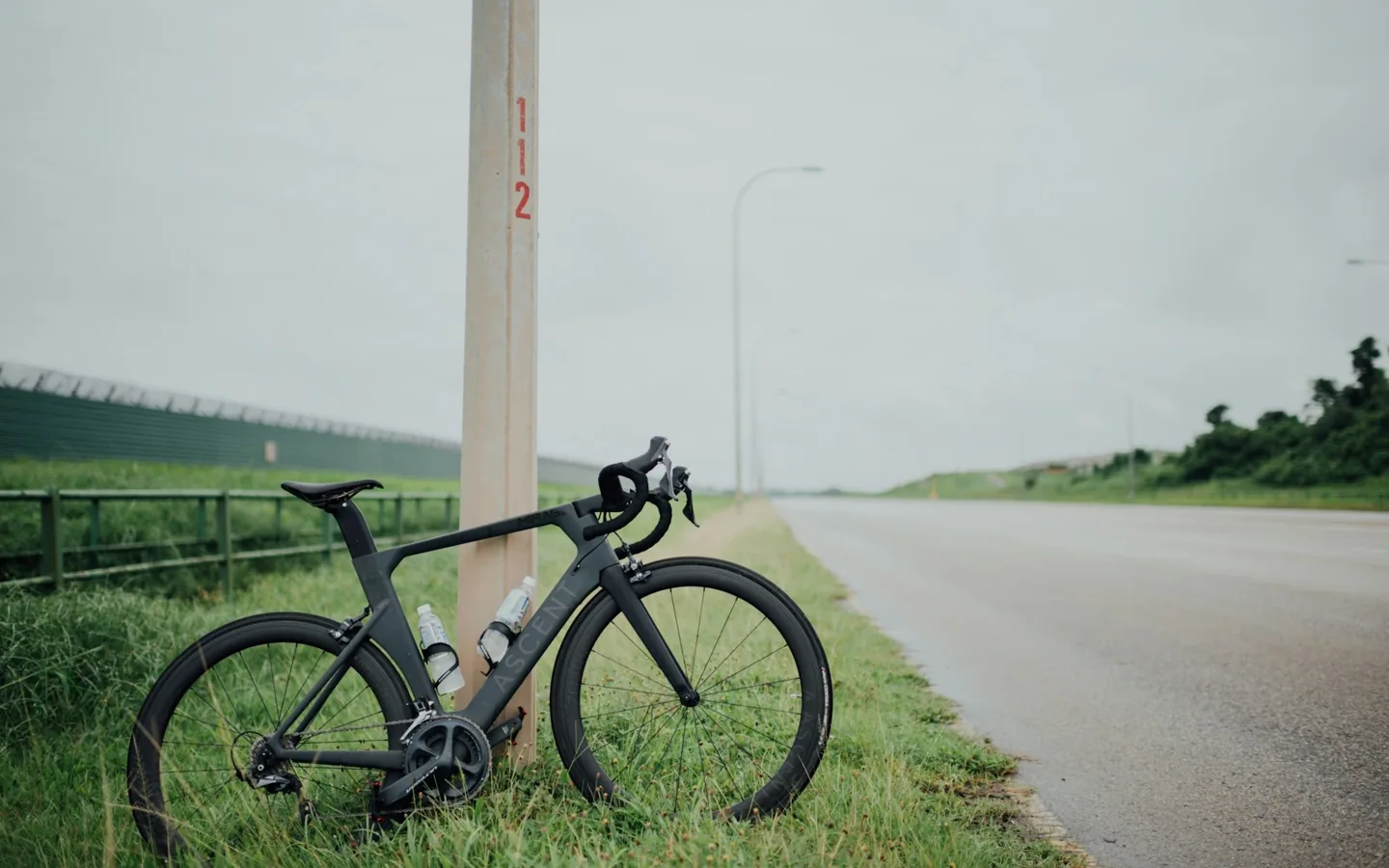
- Cycling: For a technical test, specify surface, duration and riding load. Explain which characteristics you would assess.
What can an amateur athlete offer?
Asking a brand to fund an entire season is a bigger commitment than proposing a short equipment test. Define what you can reliably deliver around work and training. A small trial with agreed feedback gives both sides something concrete to review before extending it.
Use our sponsorship email template when you are ready to make a proposal. The athlete page explains how to prepare your athleteXhub profile.
Cover photo: Vincent Tavernier / Unsplash