How Sports Sponsorship Has Changed — and What This Means for Athletes
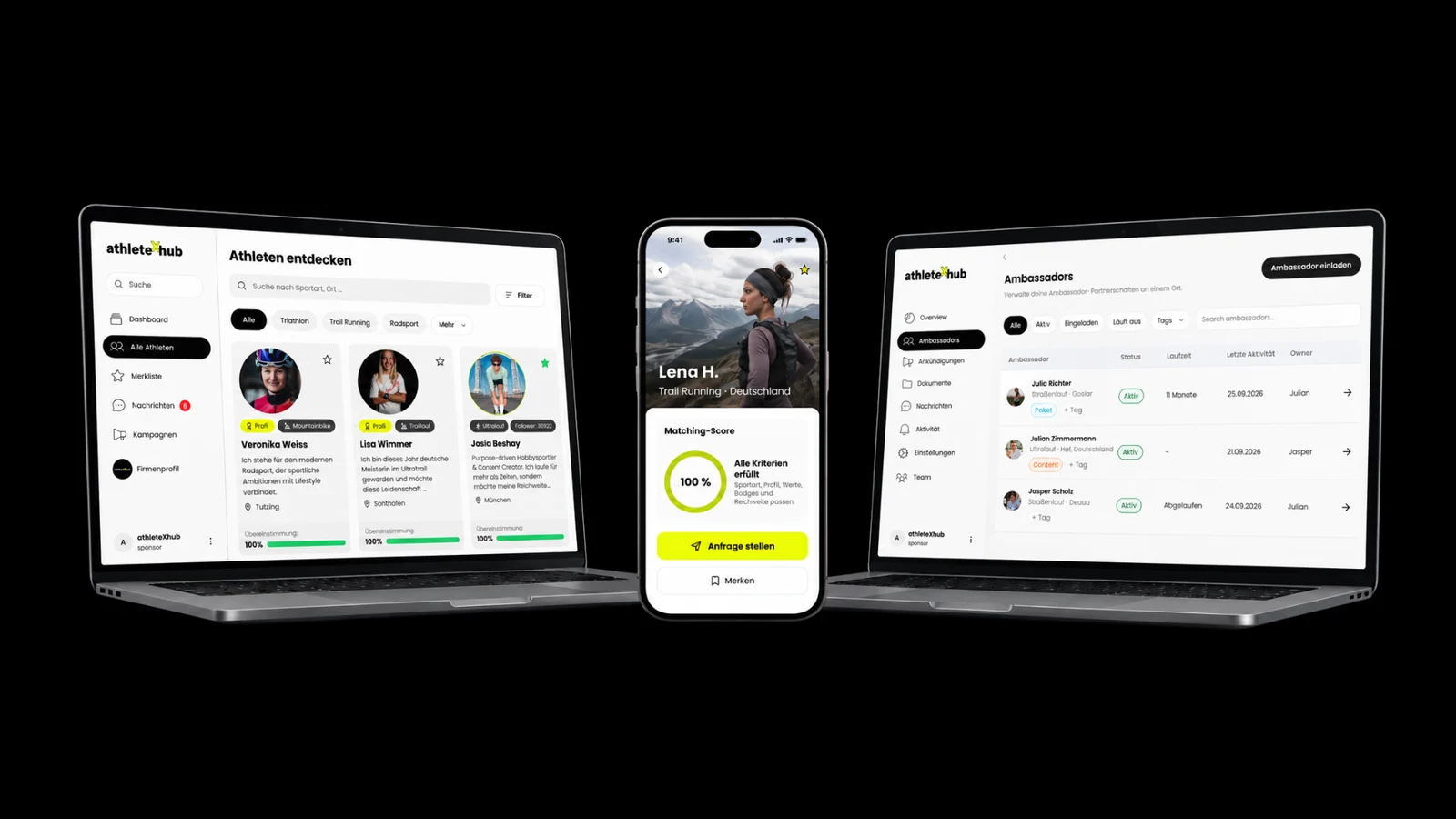
Sports sponsorship is not new. But it has changed so fundamentally in recent years that many athletes and brands are still playing by the old rules — and wondering why it's not working.With the launch of our new marketplace on athleteXhub, now is a good time to take a step back and understand where sponsorship comes from, where it is today — and where it's headed.
How Sports Sponsorship Began
The origin lies in classic jersey advertising. Brands paid to appear on jerseys, billboards, and vehicles — because it was a refreshing alternative to classic print and TV advertising. Athletes became advertising mediums, and those at the top of the game earned well.The system was simple: the more attention an athlete attracted, the more valuable they were to a brand. And attention meant back then: results, titles, media presence. Those who weren't at the top had hardly any chance of a deal.
Social Media Changes Everything
With the rise of Instagram, TikTok, and YouTube, the playing field has changed fundamentally. Brands are no longer just looking at athletic performance — but above all at reach, engagement, and community.This is both a curse and a blessing.
On the one hand, theoretically, any athlete can get a sponsorship deal today — regardless of how fast they run or how high they are on the results list. A triathlete with 8,000 engaged followers and a clear story can be more valuable to a niche brand than a world champion with 50,000 passive subscribers.
On the other hand, this has triggered a flood that neither athletes nor brands can cope with. Brands are being flooded with hundreds of sponsorship requests every day — most of which are incomplete, unprofessional, or simply not a good fit. Athletes, in turn, often don't know who to turn to, how to present themselves, and why they don't get an answer despite honest efforts.
The result: both sides are frustrated. And good matches — which actually make sense — simply don't happen.
The Matching Score: Why Relevance Is More Important Than Reach
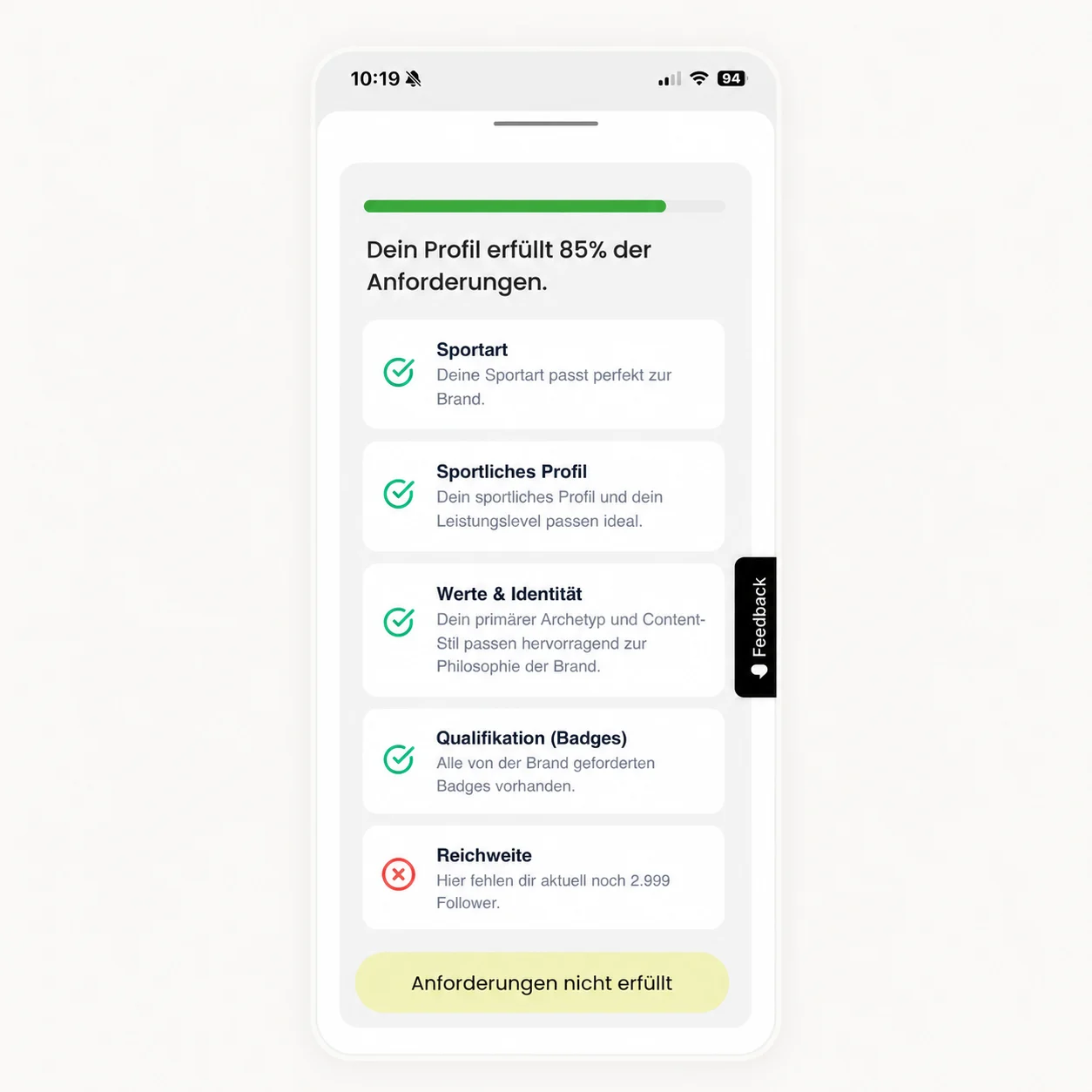
Precisely this is where athleteXhub comes in. Our Matching Score analyzes an athlete's profile — sport, reach, engagement, values, target group — and compares it to what a brand is looking for. Athletes can see directly which brands they fit with. And brands only see the athletes who are really relevant to them.No scatter loss. No cold mails into thin air. No hour-long screening process.
This is already a big step. But we wanted to go further.
The Marketplace: Four Steps Ahead of a Cold Mail
A cold mail is the starting point of a conversation — with incomplete information, without context, without trust.Our new marketplace starts exactly where a cold mail stops.
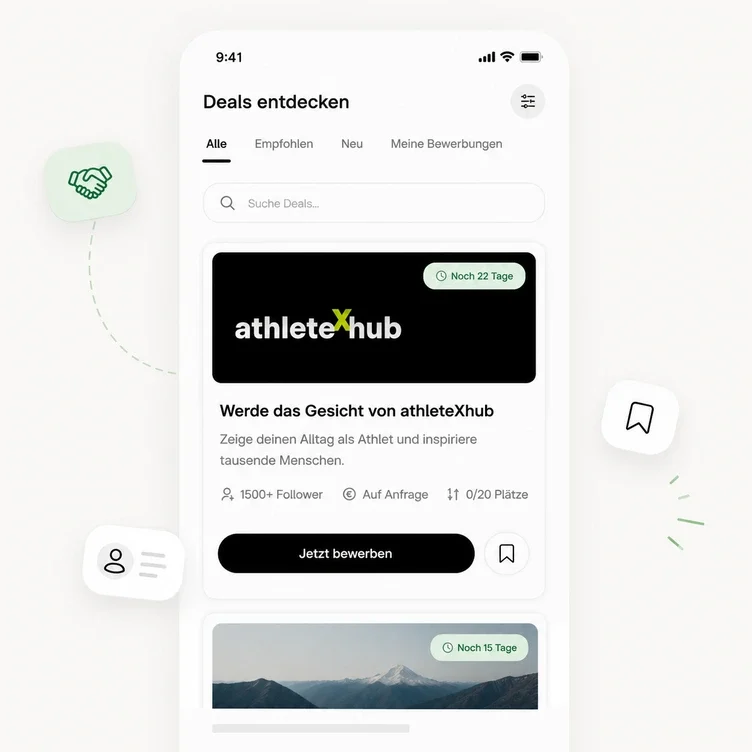
Athletes can now post their own projects: description, type of cooperation, budget, goals. Brands see these projects directly — and get in touch with the athletes whose projects fit them.
Conversely, brands can start tenders: they describe what they're looking for, what kind of cooperation model they envision, and what they offer. Athletes see these tenders and apply directly — with their already stored profile, their Matching Score, and all relevant data.
This means: when a brand receives an inquiry or an athlete sees a tender, both already have a complete impression of each other. No need to ask, no back-and-forth, no guessing.
Both sides meet four steps ahead — as if the first half of getting to know each other was already done.
What This Means for Athletes
We experience at athleteXhub that athletes don't fail because they're not good enough. They fail because they don't know how to present themselves professionally — and because they lack the direct connection to the right brands.The marketplace changes that. It gives athletes the opportunity to become visible actively — not with a generic request, but with a specific project that shows what they're planning and what they're looking for.
Those who have completed their Academy courses, wear their badges, and have built a clear profile will be perceived differently on the marketplace than someone who simply sends a DM.
What This Means for Brands
On the other hand, there are brands that are flooded with requests every day — and yet can't find the right athletes.The marketplace gives them a new tool: they can become active themselves, start a tender, and wait to see who applies. Every application comes with a complete profile, Matching Score, and verified data. No half-finished requests. No time-consuming research.
This is sports sponsorship as it should work in 2026.
Where We're Headed
Sports sponsorship will continue to change. The platforms will get bigger, the target groups smaller and more specific, the requirements on both sides higher.What will remain the same: the desire for genuine partnerships. For collaborations based on mutual trust — not on chance or the right contact at the right time.
This is exactly what we want to make possible with athleteXhub. With the Academy, the Matching Score — and now with the marketplace.
Check it out: app.athletexhub.com